Site Under Revamp
We're Making Things Better
CardNitty is undergoing a major revamp. We'll be back soon with an improved experience.
Staff Access
Use your fingerprint, face, or device PIN to authenticate.
Questions? Email us at [email protected]
Lowest markup for international transactions. Zero forex markup cards save significantly on foreign spending.
275 cards ranked | Updated July 2026
Forex markup percentage
Enabled for foreign use
International lounge access
Rate vs annual fee


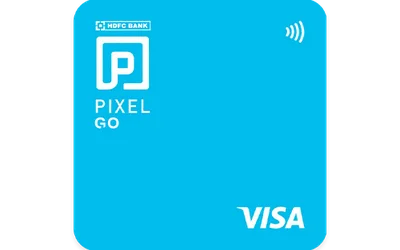
0.99% markup
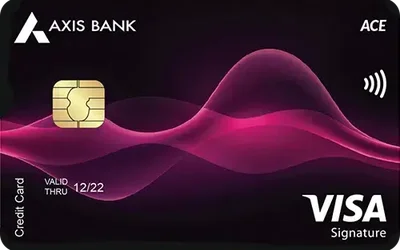
1.99% markup

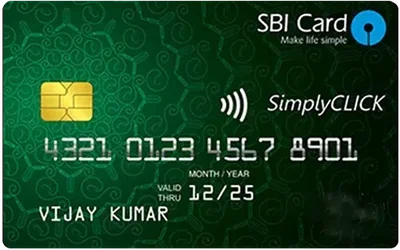
1.99% markup
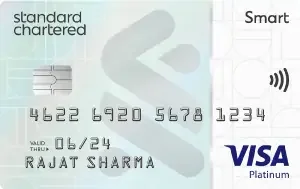
1.99% markup
1.99% markup

2.00% markup
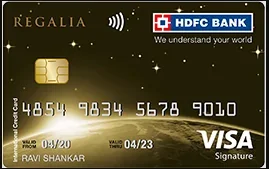
2.00% markup
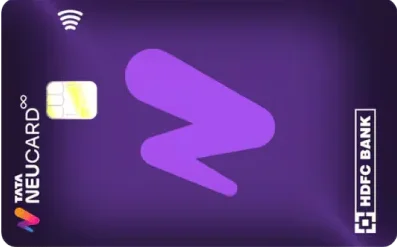
2.00% markup
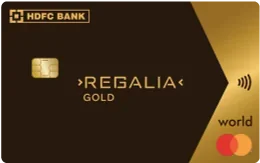
2.00% markup
2.00% markup
2.00% markup
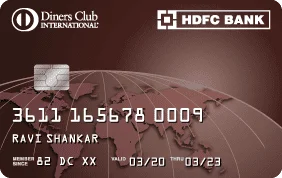
2.00% markup
2.00% markup
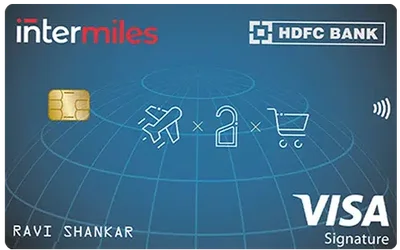
2.00% markup
2.00% markup
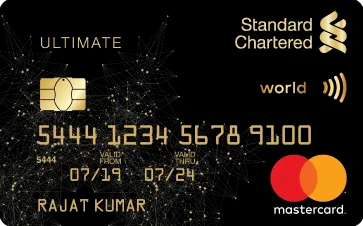
2.00% markup
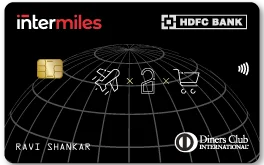
2.00% markup
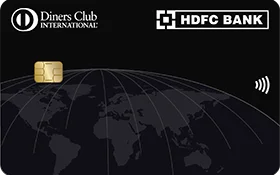
2.00% markup
2.00% markup

2.00% markup

2.00% markup
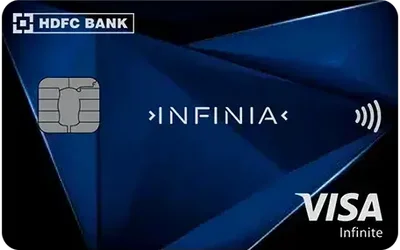
2.00% markup
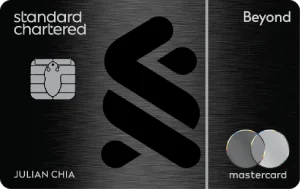
2.00% markup
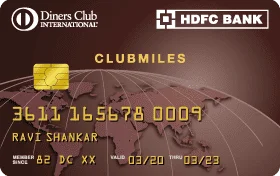
3.00% markup
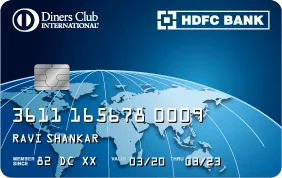
3.00% markup
3.50% markup
3.50% markup
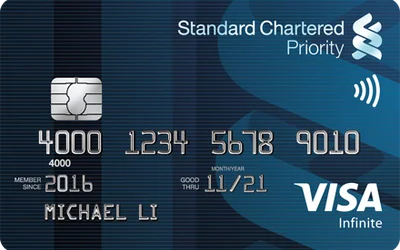
3.50% markup
3.50% markup
3.50% markup
3.50% markup
3.50% markup
3.50% markup
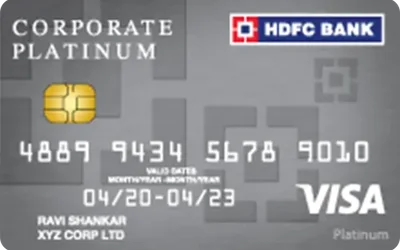
3.50% markup
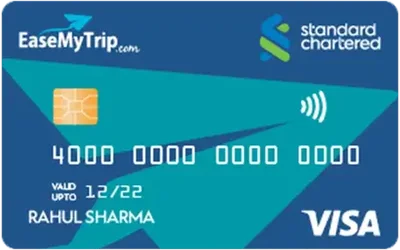
3.50% markup
3.50% markup
3.50% markup

3.50% markup
3.50% markup
3.50% markup
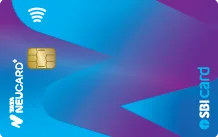
3.50% markup
3.50% markup
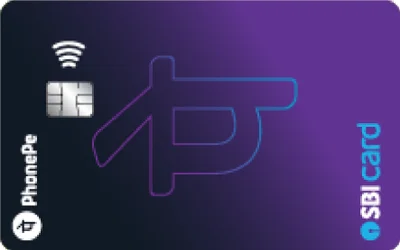
3.50% markup
3.50% markup
3.50% markup
3.50% markup
3.50% markup
3.50% markup
3.50% markup
When you spend internationally, credit cards add a forex markup (typically 1-3.5%) on top of the currency conversion. On a ₹5 lakh international trip, 3.5% markup costs ₹17,500 extra.
Zero or low forex cards can save thousands on international spending, making them essential for frequent travelers.
Conversion rate is set by card networks (Visa/Mastercard) and is usually competitive. Forex markup is an additional percentage your bank charges on top. Zero markup means you only pay the network conversion rate.
If you spend internationally, forex markup is a hidden cost that adds up quickly. Zero or low markup cards pay for themselves through savings on foreign transactions.