Site Under Revamp
We're Making Things Better
CardNitty is undergoing a major revamp. We'll be back soon with an improved experience.
Staff Access
Use your fingerprint, face, or device PIN to authenticate.
Questions? Email us at [email protected]
Cards with the best fees component rating (22.5% of overall score). Ranked by annual fees, interest rates, forex markup, and accessibility.
275 cards ranked | Updated July 2026
Yearly ownership cost
APR for balances/EMI
International spending cost
Approval requirements
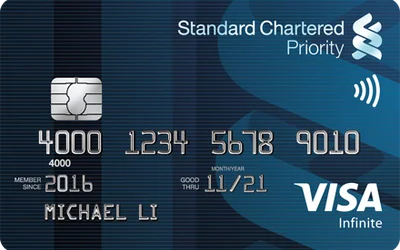
5.0 ★
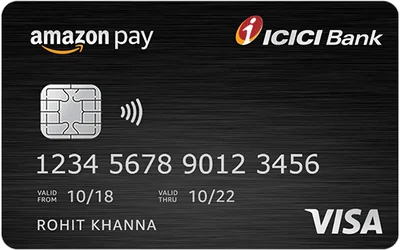

4.8 ★
4.8 ★
4.8 ★
4.8 ★
4.8 ★
4.8 ★
4.8 ★
4.8 ★
4.8 ★
4.8 ★
4.8 ★
4.8 ★
4.8 ★
4.8 ★
4.8 ★
4.8 ★
4.8 ★
4.8 ★
4.8 ★
4.8 ★
4.8 ★
4.8 ★
4.8 ★
4.8 ★
4.8 ★
4.8 ★
4.8 ★
4.8 ★
4.8 ★
4.8 ★
4.8 ★
4.8 ★
4.8 ★
4.8 ★
4.8 ★
4.8 ★
4.8 ★
4.8 ★
4.8 ★
4.8 ★
4.8 ★
4.8 ★
4.8 ★
4.8 ★
4.8 ★
4.8 ★
4.8 ★
4.8 ★
4.8 ★
The fees rating measures the cost of owning and using a credit card. Lower fees mean more of your rewards actually benefit you instead of going back to the bank.
This component contributes 22.5% to our overall rating. We evaluate annual fees, joining fees, interest rates (APR), forex markup, and how accessible the card is to apply for.
Cards with fee waiver options score better than cards with fixed fees at the same amount.
Not always. A ₹500 annual fee card offering 2% cashback delivers more value than a free card with 0.5% cashback if you spend ₹50,000+ annually. However, for low spenders, free cards are usually optimal.
International transactions incur markup (typically 1-3.5%) plus currency conversion. On a ₹1 lakh international trip, 3.5% vs 1.5% markup costs you ₹2,000 extra. Cards with 0% markup save significantly.
Low fees maximize the value you keep from your rewards. Lifetime free cards with decent rewards often outperform premium cards for average spenders. Only pay fees when the card's benefits clearly exceed the cost.